Facial Waxing In Greencastle, PA
The Benefits of Professional Facial Waxing
Tired of the hassle and mess of DIY waxing? Discover the benefits of professional facial waxing that not only ensures flawless results but also keeps your skin healthy and radiant.
The Risks of DIY Waxing
Waxing at home may seem like an enticing option, especially with all the DIY kits available in the market. However, the risks associated with DIY waxing are often underestimated. One of the primary concerns is the potential for skin damage. Without the proper technique and understanding of your skin type, you might end up with burns, irritation, or even torn skin. The wax’s temperature and consistency play crucial roles in ensuring safe application. Misjudging either can lead to painful and unsightly results.
Another significant risk is the possibility of infections. DIY waxing kits often lack the sterile environment that professional salons provide. Using contaminated tools or not adhering to proper hygiene practices can introduce bacteria to your skin, leading to infections or even more severe skin conditions. Furthermore, the lack of professional-grade products means that you’re often dealing with lower-quality waxes that might not be as effective or safe as those used by professionals.
Lastly, incorrect waxing techniques can cause ingrown hairs, which are not only painful but also unsightly. When hair breaks off beneath the skin instead of being pulled out from the root, it can curl and start growing back into the skin, leading to red, swollen bumps. These ingrown hairs can be particularly problematic on the face, where the skin is more sensitive and exposed. DIY waxing might save you a few bucks, but the potential for mishaps makes it a risky endeavor that could end up costing you more in the long run.
Benefits of Professional Facial Waxing
One of the most compelling benefits of professional facial waxing is the precision and expertise that come with it. Trained estheticians have a deep understanding of skin types, hair growth patterns, and the best techniques to use for each individual. This expertise ensures that the waxing process is not only effective but also minimizes pain and discomfort. Professionals can tailor the waxing session to suit your specific needs, ensuring that every unwanted hair is removed efficiently.
In addition to the superior technique, professional facial waxing also uses high-quality products that are specifically designed for facial skin. These products are generally gentler and more effective than the over-the-counter kits you might use at home. High-quality waxes adhere better to hair and not the skin, which reduces the risk of irritation and damage. Moreover, professional salons often use soothing post-wax treatments that help to calm the skin, reduce redness, and prevent ingrown hairs.
Another significant advantage is the long-lasting results. When done correctly, professional waxing can keep your skin smooth and hair-free for up to four to six weeks. This is because professionals are skilled in removing hair from the root, which takes longer to grow back compared to hair that is broken off at the surface. This extended period of smoothness means fewer waxing sessions over time, making it a more convenient and effective hair removal method in the long run.
How Professional Waxing Differs from DIY
When it comes to waxing, the difference between professional and DIY methods is night and day. One of the most noticeable distinctions is the level of expertise involved. Professional estheticians undergo rigorous training to master the art of waxing. They are well-versed in various techniques and understand how to handle different skin types and hair textures. This level of expertise ensures that the waxing process is quick, efficient, and as painless as possible.
Another key difference lies in the quality of the products used. Professional salons invest in high-grade waxes and skincare products that are not typically available in DIY kits. These professional-grade products are formulated to be gentle on the skin while effectively removing hair from the root. They also often include ingredients that soothe and protect the skin, reducing the risk of irritation and ingrown hairs. In contrast, DIY kits often contain lower-quality waxes that may not adhere well to the hair, leading to patchy results and potential skin damage.
The environment and hygiene standards also set professional waxing apart from DIY. Salons adhere to strict cleanliness protocols to ensure a sterile environment. Tools are sanitized, and disposable items are used to prevent cross-contamination. At home, maintaining such high hygiene standards can be challenging, increasing the risk of infections. The professional setting not only ensures a safer experience but also provides a more relaxing and comfortable atmosphere, making the entire process more enjoyable.
Choosing the Right Waxing Salon
Selecting the right waxing salon is crucial for achieving the best results and ensuring a safe experience. One of the first steps in choosing a salon is to research its reputation. Look for reviews online and ask for recommendations from friends or family. Positive feedback and high ratings are usually good indicators of a salon’s quality and professionalism. It’s also beneficial to check if the salon is certified and if its staff are licensed estheticians, as this guarantees a certain level of expertise and adherence to industry standards.
Another important factor to consider is the cleanliness and hygiene of the salon. A reputable salon should maintain a spotless environment, with clean treatment rooms and sanitized tools. During your visit, observe if the staff are following proper hygiene protocols, such as wearing gloves and using disposable items. A clean and sterile environment is essential for preventing infections and ensuring a safe waxing experience.
Lastly, consider the range of services and products offered by the salon. A good waxing salon should provide a variety of waxing options tailored to different skin types and hair textures. They should also use high-quality waxes and skincare products that are gentle on the skin. It’s helpful to have a consultation with the esthetician before your appointment to discuss your needs and any concerns you might have. This will give you a sense of their expertise and help you feel more confident in their ability to deliver excellent results.
What to Expect During a Professional Waxing Session
Walking into a professional waxing session for the first time can be a bit intimidating, but knowing what to expect can help ease any anxieties. The session typically begins with a consultation where the esthetician will ask about your skin type, any allergies, and your previous experiences with waxing. This is an excellent opportunity to express any concerns you might have and to get personalized advice on aftercare.
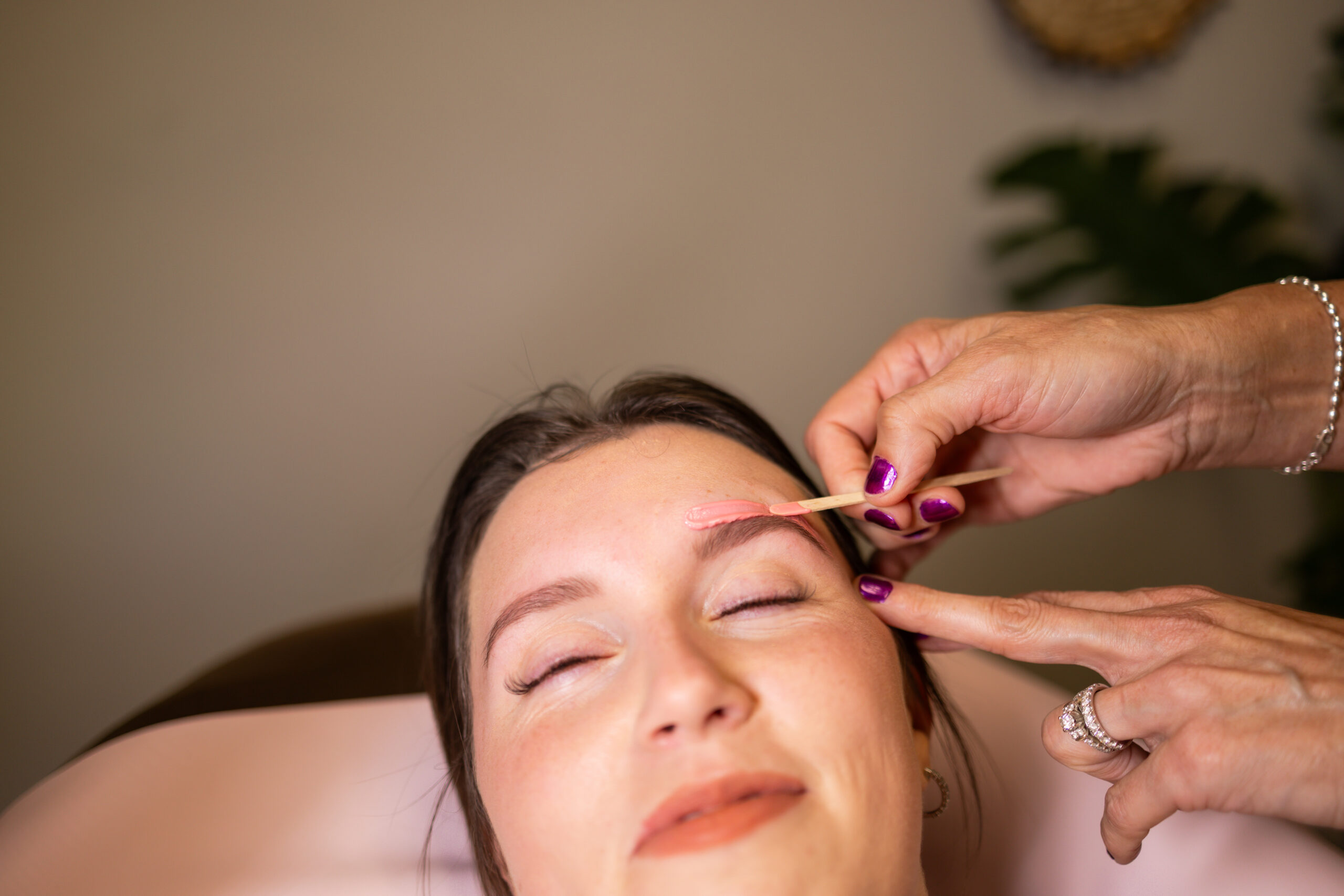
Once the consultation is complete, you’ll be led to a private treatment room. The esthetician will cleanse the area to be waxed to remove any oils or makeup that could interfere with the waxing process. They may also apply a pre-wax oil to create a protective barrier on the skin, which helps to reduce irritation. The wax is then warmed to the appropriate temperature and applied to the skin in small sections. The esthetician will use precise techniques to ensure that the wax adheres properly to the hair and minimizes discomfort during removal.
After the hair has been removed, the esthetician will apply soothing products to calm the skin and reduce redness. They may use aloe vera, tea tree oil, or other specialized aftercare products designed to prevent ingrown hairs and promote healing. The entire process is usually quick and efficient, with most facial waxing sessions taking about 15 to 30 minutes. By the end of the session, you’ll leave with smooth, hair-free skin and a set of aftercare instructions to help maintain your results.
Aftercare Tips for Waxed Skin
Proper aftercare is essential for maintaining the results of your professional waxing session and keeping your skin healthy. One of the first things to remember is to avoid touching the waxed area immediately after the session. Your skin is more sensitive and prone to infections right after waxing, so keeping it clean and avoiding unnecessary contact is crucial.
Applying a soothing lotion or gel, such as aloe vera, can help reduce redness and calm any irritation. These products often contain anti-inflammatory properties that promote healing and keep the skin hydrated. It’s also advisable to avoid using any harsh skincare products, such as exfoliants or strong acids, for at least 24 to 48 hours after waxing. These products can further irritate the skin and potentially cause damage.
Another important aftercare tip is to avoid activities that can make you sweat excessively, such as intense workouts or hot baths, for at least 24 hours. Sweat can irritate freshly waxed skin and increase the risk of infections. Additionally, try to stay out of direct sunlight and avoid tanning beds for a few days, as your skin will be more susceptible to sunburn. Wearing sunscreen is always a good practice, but it becomes especially important after waxing to protect your skin from UV damage.
Common Myths About Facial Waxing
Facial waxing is surrounded by numerous myths that can deter people from trying this effective hair removal method. One common myth is that waxing causes hair to grow back thicker and darker. In reality, waxing removes hair from the root, which can result in finer and softer regrowth over time. The hair growth cycle is also disrupted, meaning it often takes longer for hair to grow back compared to other hair removal methods like shaving.
Another prevalent myth is that waxing is unbearably painful. While it’s true that waxing can cause some discomfort, especially for first-timers, the pain is usually short-lived and becomes more tolerable with regular sessions. Professional estheticians use techniques to minimize pain, such as applying pressure immediately after removing the wax strip and using soothing products. The discomfort is often outweighed by the long-lasting smoothness and convenience of waxing.
Lastly, some believe that waxing is only suitable for certain skin types. While it’s essential to consider your skin type when choosing any skincare treatment, professional estheticians are trained to handle a variety of skin types and conditions. They can customize the waxing process to suit your specific needs, ensuring a safe and effective experience. Whether you have sensitive skin, acne-prone skin, or any other concern, a professional can provide the appropriate care and advice.
Cost Comparison: DIY vs. Professional Waxing
At first glance, DIY waxing kits might seem like the more cost-effective option compared to professional waxing sessions. However, a closer look at the overall costs reveals a different story. DIY kits may have a lower upfront cost, but they often require frequent purchases. The wax itself, applicators, and aftercare products can add up over time. Additionally, the lower quality of these products often means less effective results, leading to more frequent waxing sessions.
On the other hand, professional waxing might have a higher upfront cost per session, but the results are longer-lasting and more effective. This means fewer trips to the salon over time, which can make it more cost-effective in the long run. The expertise of a professional ensures that the hair is removed from the root, leading to slower regrowth and smoother skin for extended periods. Furthermore, professional-grade products used in salons are more effective and safer for your skin, reducing the need for additional skincare treatments to address any issues that might arise from DIY waxing.
Another important factor to consider is the potential cost of mistakes. DIY waxing can lead to skin damage, infections, or other complications that might require expensive treatments to fix. The risk of such issues is significantly lower with professional waxing, as trained estheticians know how to handle different skin types and hair textures safely. Investing in professional care can save you money in the long run by preventing costly mistakes and ensuring consistently excellent results.
Conclusion: Investing in Professional Care
Investing in professional facial waxing is a decision that pays off in multiple ways. The expertise, The Risks of DIY Waxing
DIY waxing might seem like a convenient and cost-effective way to manage unwanted facial hair, but it comes with a plethora of risks that can outweigh its benefits. One of the primary dangers is the potential for skin damage. When you perform waxing at home, you may not have the necessary expertise or the right products to ensure a safe experience. This can lead to burns, bruises, and even tears in the skin, especially if you use wax that is too hot or apply it incorrectly.
Another significant risk of DIY waxing is the possibility of infections. Facial skin is particularly sensitive and prone to irritation. If you’re not careful with hygiene practices or if you use contaminated waxing tools, you could introduce bacteria into the skin. This can lead to painful infections, redness, and swelling, which might require medical attention to treat. In severe cases, improper waxing can even cause scarring, which can be difficult to reverse.
Additionally, DIY waxing often fails to deliver the smooth, long-lasting results that a professional service can provide. It’s easy to miss spots or fail to remove hair completely, leading to uneven results. Moreover, without the proper post-waxing care, your skin can become dry and irritated, making it more prone to breakouts and ingrown hairs. These risks highlight the importance of relying on professional expertise for facial waxing to ensure both safety and effectiveness.