The Guide to Hydrating Facials
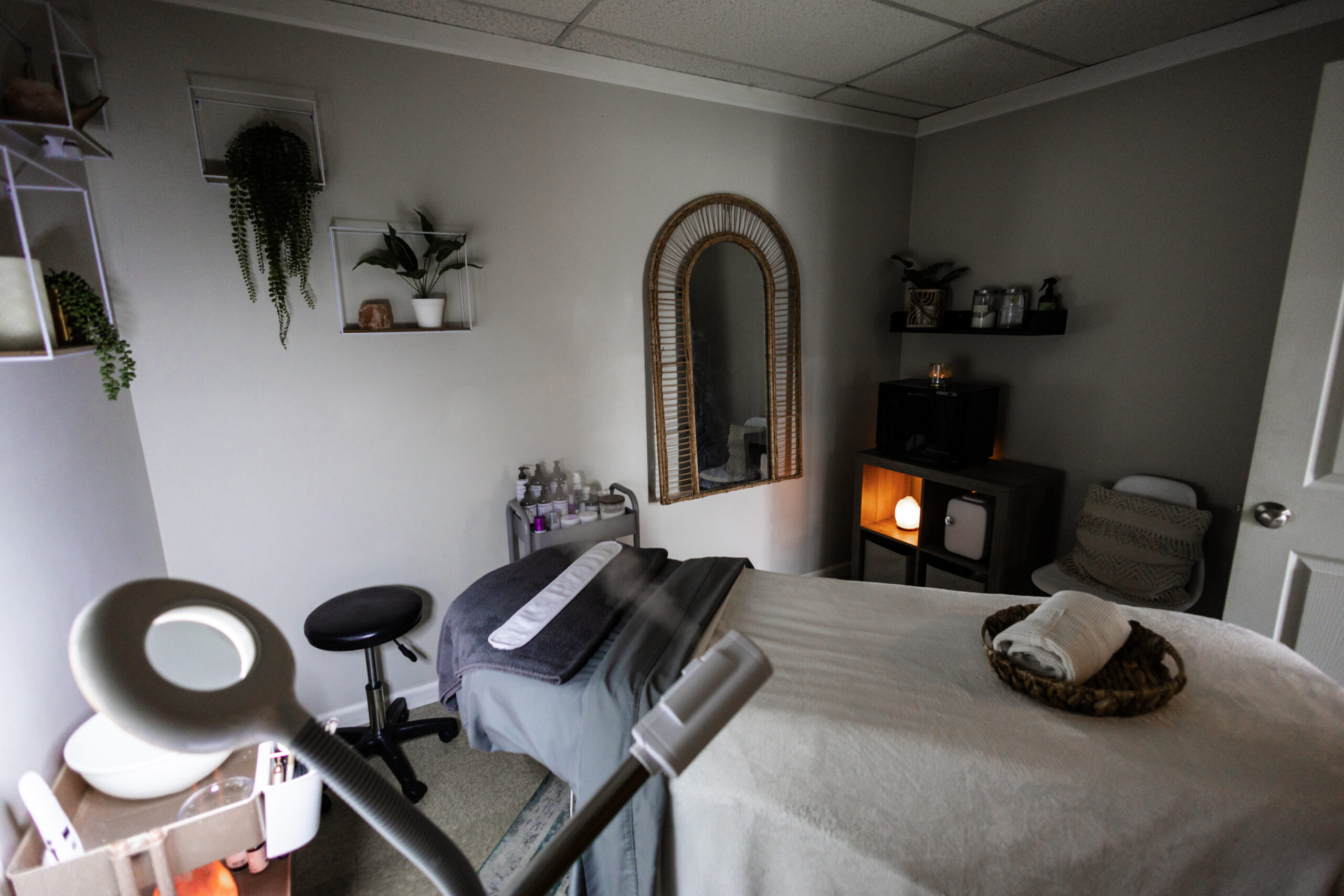
Revitalize your skin with our ultimate guide to hydrating facials, unlocking the secrets to a radiant, youthful glow and deep hydration in every treatment.

What are Hydrating Facials?
Hydrating facials are specialized skincare treatments designed to replenish moisture levels in the skin, providing deep hydration and nourishment. These facials are particularly beneficial for individuals with dry, dehydrated, or dull skin, as they aim to restore the skin’s natural moisture barrier and improve its overall texture and appearance. By using a combination of hydrating ingredients, gentle exfoliation, and soothing techniques, hydrating facials help to rejuvenate the skin, leaving it soft, supple, and radiant.
The primary goal of a hydrating facial is to deliver intense hydration to the skin’s deeper layers. This is achieved through the use of various skincare products, such as serums, masks, and moisturizers, that are rich in hydrating ingredients like hyaluronic acid, glycerin, and aloe vera. These ingredients work together to attract and retain moisture in the skin, ensuring long-lasting hydration and preventing moisture loss.
Hydrating facials can be customized to suit different skin types and concerns. Whether you have oily, combination, or sensitive skin, there is a hydrating facial treatment that can address your specific needs. By incorporating a hydrating facial into your skincare routine, you can achieve a healthier, more youthful complexion and protect your skin from environmental stressors that can cause dryness and dehydration.
Benefits of Hydrating Facials for Your Skin
One of the most significant benefits of hydrating facials is their ability to deeply moisturize the skin. By infusing the skin with essential hydration, these facials help to improve its elasticity and firmness, reducing the appearance of fine lines and wrinkles. This results in a smoother, plumper, and more youthful complexion that looks and feels rejuvenated.
Hydrating facials also help to enhance the skin’s natural barrier function. A strong and healthy skin barrier is essential for preventing moisture loss and protecting the skin from external aggressors, such as pollution, UV radiation, and harsh weather conditions. By reinforcing the skin’s barrier, hydrating facials help to maintain optimal hydration levels and prevent dryness, irritation, and sensitivity.
In addition to providing intense hydration, hydrating facials can also help to improve the overall texture and tone of the skin. The exfoliation step in these facials removes dead skin cells and promotes cell turnover, revealing a brighter and more even complexion. This can be particularly beneficial for individuals with dull or uneven skin tone, as it helps to restore a healthy glow and minimize the appearance of dark spots and hyperpigmentation.
Key Ingredients in Hydrating Facials
Hyaluronic acid is one of the most popular and effective ingredients used in hydrating facials. This naturally occurring substance has the incredible ability to hold up to 1,000 times its weight in water, making it an excellent hydrator for the skin. By attracting and retaining moisture, hyaluronic acid helps to plump and hydrate the skin, reducing the appearance of fine lines and wrinkles.
Glycerin is another key ingredient commonly found in hydrating facials. This powerful humectant works by drawing moisture from the environment into the skin, ensuring long-lasting hydration. Glycerin also helps to strengthen the skin’s natural barrier, preventing moisture loss and maintaining optimal hydration levels. As a result, the skin feels soft, smooth, and supple.
Aloe vera is a soothing and hydrating ingredient often used in hydrating facials for its calming and moisturizing properties. Rich in vitamins, minerals, and antioxidants, aloe vera helps to nourish and protect the skin while providing intense hydration. It also has anti-inflammatory properties that can help to reduce redness and irritation, making it an excellent choice for sensitive or reactive skin.
Different Types of Hydrating Facials
There are various types of hydrating facials available, each designed to address specific skin concerns and needs. One popular option is the classic hydrating facial, which typically includes cleansing, exfoliation, a hydrating mask, and the application of serums and moisturizers. This type of facial is suitable for all skin types and provides a deep and thorough hydration boost.
Another popular type of hydrating facial is the oxygen facial. This treatment involves the use of a specialized machine that delivers a stream of oxygen infused with hydrating serums directly to the skin. The oxygen helps to increase circulation and promote collagen production, while the serums provide intense hydration and nourishment. Oxygen facials are particularly beneficial for individuals with dull or tired-looking skin, as they help to revitalize and rejuvenate the complexion.
Hydrodermabrasion is a more advanced type of hydrating facial that combines exfoliation and hydration in one treatment. This procedure uses a specialized device to gently exfoliate the skin while simultaneously infusing it with hydrating serums. The result is a smoother, more even complexion with improved hydration levels. Hydrodermabrasion is suitable for all skin types and can be customized to address specific concerns, such as fine lines, hyperpigmentation, and congestion.
How to Choose the Right Hydrating Facial for Your Skin Type
Choosing the right hydrating facial for your skin type is essential to achieve the best results. If you have dry or dehydrated skin, look for a facial that focuses on intense hydration and nourishment. Ingredients like hyaluronic acid, glycerin, and ceramides are particularly beneficial for replenishing moisture and restoring the skin’s natural barrier.
For individuals with oily or combination skin, it is important to choose a hydrating facial that provides hydration without clogging pores or causing breakouts. Lightweight, non-comedogenic ingredients like aloe vera, niacinamide, and squalane are excellent choices, as they help to balance the skin’s oil production while providing essential hydration.
Sensitive or reactive skin types should opt for hydrating facials that use gentle, soothing ingredients to minimize irritation and redness. Look for treatments that include calming ingredients like chamomile, calendula, and oat extract, which can help to soothe and hydrate the skin without causing any adverse reactions. It is also important to choose a facial that avoids harsh exfoliants or aggressive techniques that could exacerbate sensitivity.
The Hydrating Facial Process: What to Expect
The hydrating facial process typically begins with a thorough cleansing of the skin to remove any dirt, oil, and makeup. This step is essential to ensure that the hydrating products can penetrate deeply and effectively. A gentle cleanser is usually used to avoid stripping the skin of its natural oils and to maintain its moisture balance.
Next, the skin is exfoliated to remove dead skin cells and promote cell turnover. This step helps to reveal a fresh, smooth complexion and allows the hydrating products to penetrate more effectively. Depending on the type of hydrating facial, the exfoliation may be done using a physical scrub, an enzyme peel, or a mild chemical exfoliant.
Following exfoliation, a hydrating mask is applied to the skin. This mask is typically rich in moisturizing ingredients like hyaluronic acid, aloe vera, and glycerin, and is left on for about 10-15 minutes to allow the skin to absorb the hydration. While the mask is working its magic, you may receive a relaxing massage on your neck, shoulders, or hands to enhance the overall experience.
After the mask is removed, a hydrating serum is applied to the skin. Serums are highly concentrated with active ingredients and are designed to deliver deep hydration and nourishment. They are usually lightweight and quickly absorbed, making them an essential step in the hydrating facial process.
The final step of a hydrating facial is the application of a moisturizer to lock in all the hydration and provide an additional layer of protection. The moisturizer helps to seal in the benefits of the facial and keep the skin hydrated and supple throughout the day. A sunscreen may also be applied if the facial is done during the daytime to protect the skin from UV damage.
Aftercare Tips for Maximum Hydration
To maintain the benefits of your hydrating facial, it is important to follow some aftercare tips to ensure maximum hydration and longevity of results. One of the most crucial steps is to keep your skin hydrated by drinking plenty of water throughout the day. Staying well-hydrated from the inside helps to support the skin’s moisture levels and overall health.
Using a gentle, hydrating cleanser in your daily skincare routine can also help to maintain the results of your facial. Avoid using harsh or stripping cleansers that can deplete the skin of its natural moisture. Instead, opt for a cleanser that is formulated with hydrating ingredients and is suitable for your skin type.
Incorporating a hydrating serum and moisturizer into your daily skincare routine is essential for maintaining the benefits of your facial. Look for products that contain ingredients like hyaluronic acid, glycerin, and ceramides, which help to attract and retain moisture in the skin. Applying these products to damp skin can enhance their effectiveness and ensure optimal hydration.
Common Myths About Hydrating Facials
One common myth about hydrating facials is that they are only suitable for dry skin. While it is true that hydrating facials are particularly beneficial for dry or dehydrated skin, they can also be highly effective for other skin types. Oily and combination skin can benefit from the hydration and nourishment provided by these facials, as they help to balance oil production and improve overall skin health.
Another myth is that hydrating facials can cause breakouts. While it is possible for any facial treatment to cause a temporary breakout, hydrating facials are generally formulated with non-comedogenic ingredients that do not clog pores. It is important to choose a facial that is suitable for your skin type and to communicate any concerns with your esthetician to ensure the best results.
Some people believe that hydrating facials are only effective for short-term hydration and do not provide long-lasting benefits. In reality, regular hydrating facials can help to improve the skin’s overall moisture levels and barrier function, leading to long-term hydration and healthier skin. By incorporating these facials into your skincare routine, you can achieve and maintain a radiant, hydrated complexion.
Conclusion: Unlocking the Secrets to Glowing Skin
Hydrating facials are a powerful and effective way to achieve deep hydration, nourishment, and a radiant, youthful glow. By understanding the benefits of these facials, the key ingredients involved, and the different types available, you can make informed decisions about your skincare routine and choose the best treatments for your skin type.
Incorporating hydrating facials into your regular skincare regimen can help to maintain optimal moisture levels, improve skin texture and tone, and protect against environmental stressors. By following aftercare tips and debunking common myths, you can ensure that you get the most out of your hydrating facials and enjoy long-lasting, glowing skin.
Unlock the secrets to glowing skin with our ultimate guide to hydrating facials and experience the transformative benefits of deep hydration and rejuvenation. With the right knowledge and skincare routine, you can achieve a healthy, radiant complexion that looks and feels its best.