Chemical Peel Benefits: What It Does for Your Skin Health
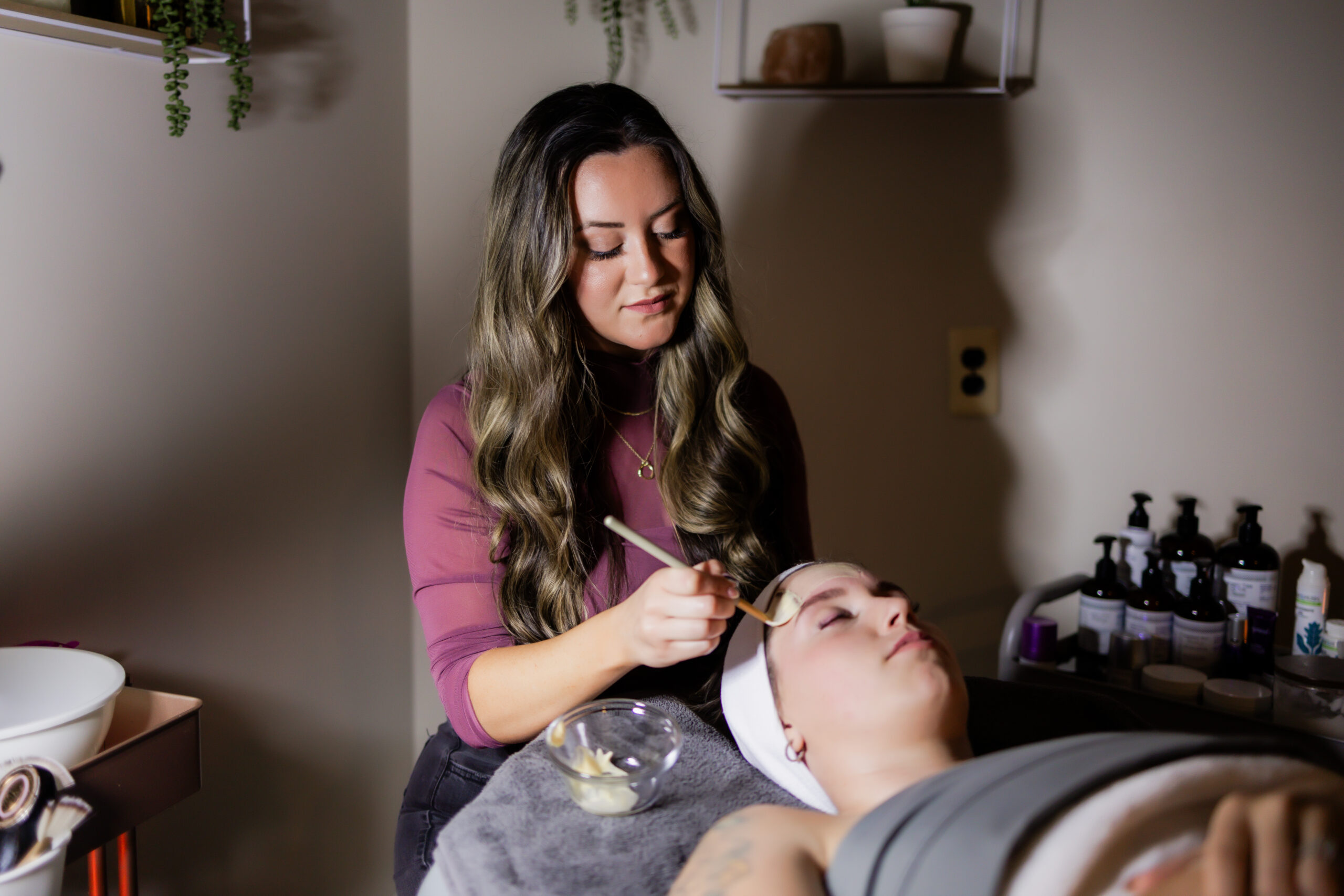
Unlock radiant skin with chemical peels! Discover how these treatments rejuvenate your complexion, tackle imperfections, and boost overall skin health.
How Chemical Peels Work
Chemical peels, a popular dermatological treatment, involve the application of a chemical solution to the skin, which causes it to exfoliate and eventually peel off. This process reveals new, regenerated skin that is usually smoother and less wrinkled than the old skin. The primary mechanism behind chemical peels is the accelerated exfoliation of the outermost layers of skin. This exfoliation process stimulates the skin’s natural healing mechanisms, promoting the growth of new, healthy skin cells and increasing collagen production.
The procedure typically begins with the cleansing of the skin to remove any oils or impurities that could interfere with the effectiveness of the peel. Once the skin is prepped, the chemical solution—commonly composed of acids like glycolic, trichloroacetic, salicylic, lactic, or carbolic acid— is applied. The solution penetrates the skin to various depths depending on the type and strength of the peel. This controlled injury to the skin’s surface triggers a healing process that results in the shedding of old skin layers and the emergence of fresh, new skin.
Chemical peels vary in intensity and depth, ranging from superficial peels that only affect the outermost layer of the skin to deep peels that penetrate the middle layer. The depth of the peel determines the extent of skin rejuvenation and the recovery time required. Superficial peels generally require minimal downtime, while deeper peels may necessitate a longer recovery period. Regardless of the depth, the ultimate goal of a chemical peel is to improve the skin’s appearance and texture by removing damaged outer layers and promoting the growth of healthier skin underneath.
Types of Chemical Peels
Chemical peels can be categorized into three main types: superficial, medium, and deep peels. Each type targets different skin concerns and offers varying levels of intensity and results.
Superficial peels, also known as light peels, are the mildest form and are often used to treat minor skin imperfections. These peels typically use alpha-hydroxy acids (AHAs) such as glycolic or lactic acid. Superficial peels are ideal for individuals looking to improve the appearance of fine lines, minor acne scars, and uneven skin tone. They can be performed relatively quickly and require little to no downtime, making them a popular choice for those with busy lifestyles.
Medium peels penetrate deeper into the skin and are used to treat more pronounced skin issues such as moderate wrinkles, acne scars, and hyperpigmentation. Trichloroacetic acid (TCA) is commonly used in medium peels, which produce more noticeable results compared to superficial peels. The recovery period for medium peels is longer, typically requiring a few days to a week of downtime. Patients may experience redness, swelling, and peeling during the recovery process.
Deep peels provide the most dramatic results and are used to address severe skin concerns such as deep wrinkles, significant sun damage, and pronounced scars. Phenol is often the chemical used in deep peels, which penetrate the middle layer of the skin. Due to their intensity, deep peels require a more extended recovery period, often several weeks, and may involve more discomfort during the healing process. These peels are typically performed under medical supervision and may require anesthesia.
Benefits of Chemical Peels for Skin Health
Chemical peels offer a multitude of benefits for skin health, making them a favored choice for individuals seeking to rejuvenate their complexion. One of the primary advantages is improved skin texture and tone. By exfoliating the outer layers of dead skin cells, chemical peels reveal smoother and more even-toned skin. This can be particularly beneficial for individuals with rough or uneven skin texture and those dealing with issues like hyperpigmentation or sunspots.
In addition to enhancing skin texture, chemical peels can significantly reduce the appearance of fine lines and wrinkles. The exfoliation process stimulates collagen production, which is crucial for maintaining skin elasticity and firmness. Over time, increased collagen levels can lead to a reduction in the depth and visibility of wrinkles, giving the skin a more youthful appearance. This anti-aging benefit makes chemical peels a popular choice for those looking to combat the signs of aging without resorting to more invasive procedures.
Another notable benefit of chemical peels is their ability to treat acne and acne scars. The exfoliating action of the peel helps to unclog pores, reduce inflammation, and prevent future breakouts. For individuals with acne scars, chemical peels can promote the growth of new skin cells and improve the skin’s texture, making scars less noticeable. This dual action makes chemical peels an effective treatment for both active acne and post-acne scarring.
Chemical peels can also address other skin concerns such as melasma, a condition characterized by dark, discolored patches on the skin. By breaking down excess pigment and promoting the turnover of skin cells, chemical peels can help to lighten these patches and even out skin tone. This makes them a valuable tool for individuals struggling with pigmentation issues.
Who Can Benefit from Chemical Peels?
Chemical peels are versatile treatments that can benefit a wide range of individuals with various skin concerns. They are suitable for people of all skin types, although the specific type of peel and its strength may vary depending on individual skin characteristics and concerns.
Individuals with signs of aging, such as fine lines, wrinkles, and age spots, can greatly benefit from chemical peels. The treatment’s ability to stimulate collagen production and promote the growth of new skin cells helps to reduce the appearance of these aging signs, resulting in a more youthful and refreshed complexion. For those who prefer non-invasive treatments, chemical peels offer an effective alternative to more invasive cosmetic procedures.
People dealing with acne and acne scars are also prime candidates for chemical peels. The exfoliating action of the peel helps to unclog pores, reduce inflammation, and prevent future breakouts. Additionally, chemical peels can improve the texture of the skin and reduce the visibility of acne scars, making them a comprehensive solution for individuals with acne-prone skin.
Individuals with uneven skin tone, hyperpigmentation, or sun damage can also benefit from chemical peels. The treatment’s ability to remove the outer layers of damaged skin and promote the growth of new, healthy skin cells can help to even out skin tone and reduce the appearance of dark spots and discoloration. This makes chemical peels an effective option for those looking to improve their overall skin complexion.
However, it is important to note that chemical peels may not be suitable for everyone. Individuals with certain skin conditions, such as eczema, psoriasis, or active infections, may need to avoid chemical peels or seek alternative treatments. Additionally, those with very sensitive skin may experience more pronounced side effects and should consult with a dermatologist to determine the most appropriate treatment option.
Preparing for a Chemical Peel
Proper preparation is key to ensuring the best possible results from a chemical peel. Before undergoing the procedure, it is essential to consult with a qualified dermatologist or skincare professional to discuss your skin concerns, medical history, and desired outcomes. This initial consultation will help determine the most appropriate type and strength of peel for your skin type and condition.
In the weeks leading up to the peel, it is important to follow a pre-treatment skincare regimen recommended by your dermatologist. This may include using specific skincare products, such as gentle cleansers, moisturizers, and sunscreen, to prepare your skin for the procedure. Avoid using any harsh or irritating products, such as retinoids, exfoliants, or acne treatments, for at least one week before the peel to prevent any potential skin irritation.
Additionally, it is crucial to protect your skin from sun exposure in the weeks leading up to the peel. Sunburned or tanned skin can increase the risk of complications during the procedure and affect the overall results. Make sure to apply a broad-spectrum sunscreen with an SPF of 30 or higher daily and avoid prolonged sun exposure.
On the day of the procedure, arrive at the clinic with a clean, makeup-free face. Your dermatologist will cleanse your skin thoroughly before applying the chemical solution. It is also important to inform your dermatologist of any medications or supplements you are taking, as certain medications can affect the skin’s healing process and may need to be discontinued temporarily.
What to Expect During the Procedure
Understanding what to expect during a chemical peel procedure can help alleviate any anxiety and ensure a smooth experience. The procedure typically begins with a thorough cleansing of the skin to remove any makeup, oils, or impurities. This step is crucial to ensure that the chemical solution can penetrate the skin evenly and effectively.
Once the skin is prepped, the dermatologist will apply the chemical solution to the targeted areas using a brush, cotton pad, or gauze. The solution is usually applied in layers, allowing it to penetrate the skin to the desired depth. Depending on the type and strength of the peel, you may feel a mild tingling or burning sensation as the solution works on your skin. This discomfort is usually temporary and subsides once the solution is neutralized or removed.
The duration of the procedure can vary depending on the type of peel and the area being treated. Superficial peels typically take about 15-30 minutes, while medium and deep peels may take longer. During the procedure, your dermatologist may use a fan or cooling device to help minimize any discomfort.
After the chemical solution has been applied for the appropriate amount of time, it will be neutralized or washed off. In some cases, a soothing ointment or moisturizer may be applied to the skin to help calm any irritation and promote healing. Your dermatologist will also provide you with specific aftercare instructions to ensure optimal results and minimize any potential side effects.
Aftercare and Recovery Tips
Proper aftercare is essential to ensure the best possible results from a chemical peel and minimize the risk of complications. Following your dermatologist’s post-treatment instructions is crucial for a smooth recovery and optimal skin rejuvenation.
In the days following the procedure, it is normal to experience some redness, swelling, and peeling as your skin heals. To soothe any discomfort and promote healing, apply a gentle, fragrance-free moisturizer as recommended by your dermatologist. Avoid picking or peeling at the skin, as this can lead to scarring and delay the healing process.
Protecting your skin from sun exposure is especially important during the recovery period. Your skin will be more sensitive to UV rays, making it more susceptible to sunburn and damage. Apply a broad-spectrum sunscreen with an SPF of 30 or higher daily, even on cloudy days, and avoid direct sun exposure as much as possible. Wearing a wide-brimmed hat and seeking shade can also help protect your healing skin.
It is also important to avoid using any harsh or irritating skincare products during the recovery period. This includes retinoids, exfoliants, and acne treatments, which can further irritate the skin and delay healing. Stick to a gentle skincare routine with mild cleansers, moisturizers, and sunscreen until your skin has fully healed.
Stay hydrated and maintain a healthy diet to support your skin’s healing process. Drinking plenty of water and consuming a balanced diet rich in vitamins and antioxidants can help promote skin regeneration and enhance the overall results of the chemical peel.
Potential Risks and Side Effects
While chemical peels are generally safe when performed by a qualified professional, there are potential risks and side effects to be aware of. Understanding these risks can help you make an informed decision and take necessary precautions to minimize any adverse effects.
Common side effects of chemical peels include redness, swelling, and peeling of the skin. These symptoms are usually temporary and subside within a few days to a week, depending on the depth of the peel. However, some individuals may experience more prolonged redness or sensitivity, particularly with deeper peels.
In rare cases, chemical peels can cause more severe side effects such as infection, scarring, or changes in skin pigmentation. Infection can occur if the skin is not properly cared for during the recovery period, so it is important to follow your dermatologist’s aftercare instructions closely. Scarring is also a potential risk, particularly for those with a history of keloids or hypertrophic scars. To minimize the risk of scarring, avoid picking at the skin and allow it to heal naturally.
Changes in skin pigmentation, such as hyperpigmentation (darkening of the skin) or hypopigmentation (lightening of the skin), can occur, particularly in individuals with darker skin tones. These changes are usually temporary but can be permanent in rare cases. To reduce the risk of pigmentation changes, avoid sun exposure and use sunscreen diligently during the recovery period.
It is also important to inform your dermatologist of any allergies or medical conditions you have, as certain conditions may increase the risk of complications. For example, individuals with a history of cold sores may experience a flare-up after a chemical peel, so antiviral medication may be prescribed as a preventive measure.
Conclusion: Is a Chemical Peel Right for You?
Chemical peels offer a wide range of benefits for skin health, from improving texture and tone to reducing the appearance of fine lines, wrinkles, and acne scars. They can be a valuable tool for individuals looking to rejuvenate their complexion and address specific skin concerns. However, it is important to consider your individual skin type, concerns, and medical history when deciding if a chemical peel is right for you.
Consulting with a qualified dermatologist or skincare professional is the first step in determining the most appropriate treatment for your skin. A thorough consultation will help identify your skin concerns, assess your skin type, and determine the most suitable type and strength of peel for your needs. Your dermatologist can also provide guidance on proper preparation, aftercare, and any potential risks or side effects to be aware of.
If you are considering a chemical peel, it is important to have realistic expectations and understand that results may vary depending on the type of peel and your individual skin characteristics. While chemical peels can provide significant improvements in skin health and appearance, they may not be a one-size-fits-all solution. In some cases, a combination of treatments or multiple sessions may be necessary to achieve the desired results.
In conclusion, chemical peels can be a highly effective treatment for improving skin health and addressing various skin concerns. With proper preparation, professional guidance, and diligent aftercare, you can achieve a healthier, more radiant complexion. If you are considering a chemical peel, consult with a qualified dermatologist to discuss your options and determine the best course of action for your skin.