The Benefits of Dermaplaning Facials
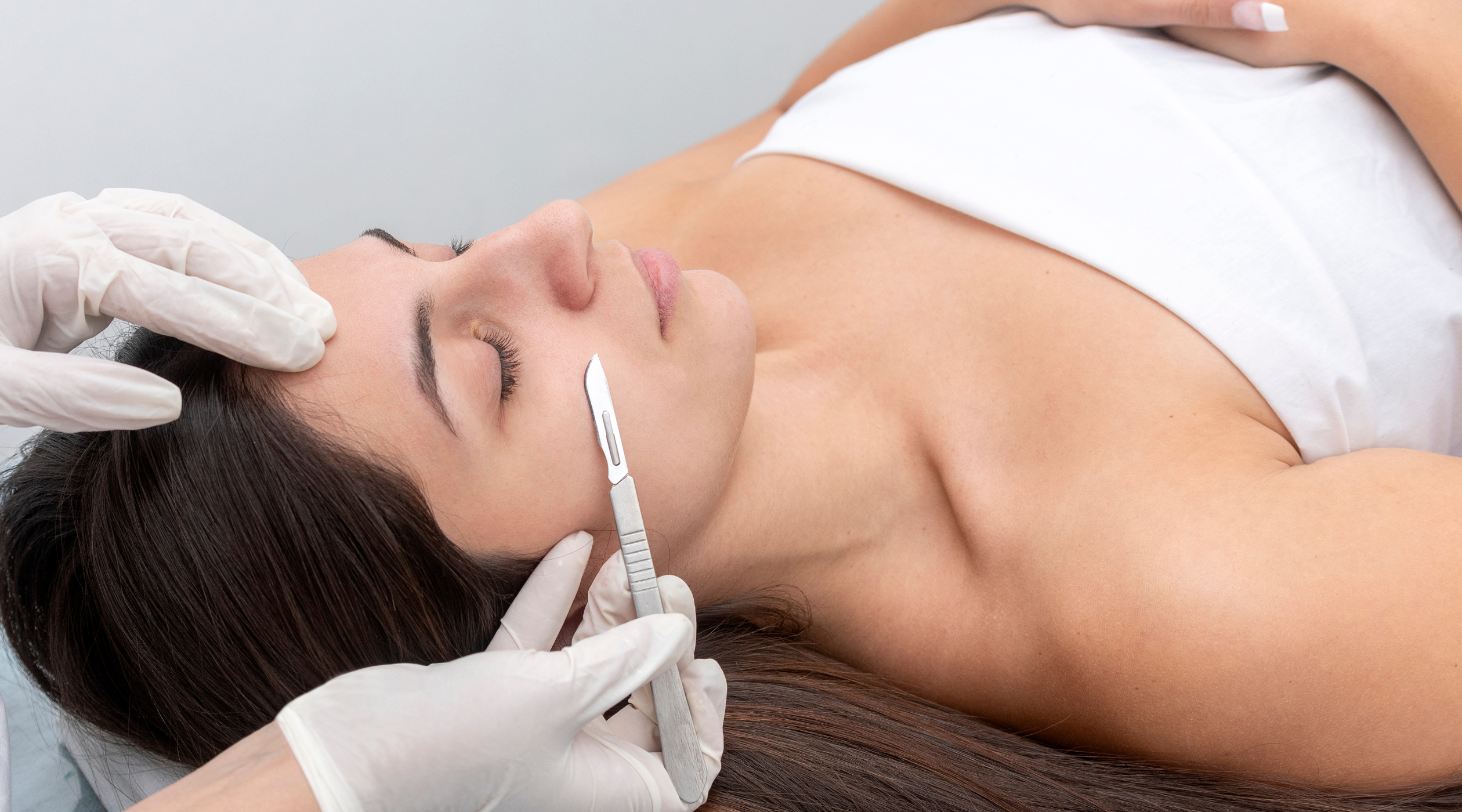
The benefits of dermaplaning facials: this innovative treatment gently exfoliates, removing dead skin and peach fuzz to reveal a smoother, brighter complexion.
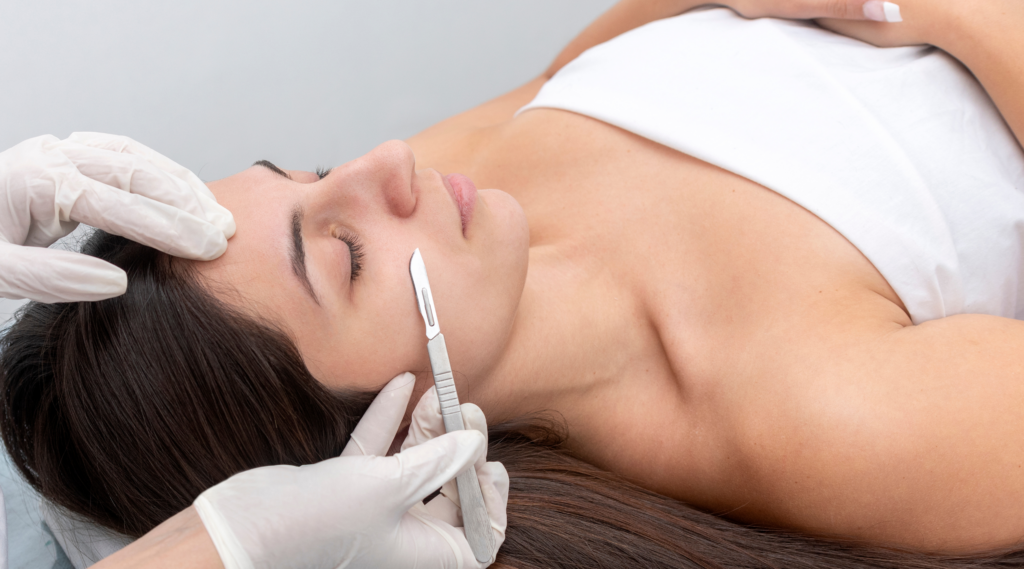
What is a Dermaplaning?
Dermaplaning is a non-invasive cosmetic procedure that has surged in popularity due to its immediate and remarkable results. This innovative treatment involves the use of a sterile surgical scalpel to gently scrape off dead skin cells and fine vellus hair, commonly known as peach fuzz, from the face. The process is meticulously performed by trained professionals to ensure safety and effectiveness, leaving the skin noticeably smoother and more radiant. Unlike more abrasive exfoliation methods, dermaplaning is gentle yet highly effective, making it suitable for almost all skin types.
The origins of dermaplaning can be traced back to ancient Egypt, where women used sharp tools to achieve smooth, hair-free skin. However, modern dermaplaning has evolved significantly, leveraging advanced techniques and tools to provide a safer and more efficient experience. This treatment has been embraced by celebrities and skincare enthusiasts alike, contributing to its widespread popularity. Dermaplaning’s ability to provide instant results without downtime has made it a go-to option for those seeking a quick skin rejuvenation.
While it is often compared to other exfoliation methods, it stands out due to its dual-action benefits. Not only does it effectively remove dead skin cells, but it also eliminates fine facial hair that can trap dirt and oil. This dual action promotes a clearer, more youthful complexion and allows for better absorption of skincare products. As we delve deeper into the benefits and intricacies of dermaplaning, it becomes evident why this treatment has become a staple in the world of skincare.
How It Works
The process of dermaplaning begins with a thorough cleansing of the face to remove any makeup, oils, and impurities. This step is crucial to ensure that the skin is clean and ready for the treatment. Once the skin is prepped, the aesthetician uses a sterile surgical scalpel held at a 45-degree angle to gently scrape the skin’s surface. This technique requires precision and expertise, as the blade must be maneuvered carefully to avoid any nicks or cuts. The aesthetician makes short, swift strokes, working in sections to ensure that the entire face is treated evenly.
During the dermaplaning procedure, the blade effectively removes the outermost layer of dead skin cells and fine vellus hair. This exfoliation process reveals the fresh, new skin cells underneath, resulting in a smoother and brighter complexion. The removal of peach fuzz also helps to create a flawless canvas for makeup application, allowing for a more polished and even finish. The entire procedure typically takes about 30 to 45 minutes, depending on the individual’s skin type and specific needs.
One of the key aspects of dermaplaning is its ability to stimulate cell turnover and collagen production. By removing the dead skin cells, this technique encourages the skin to regenerate and repair itself more quickly. This not only improves the texture and tone of the skin but also helps to reduce the appearance of fine lines and wrinkles over time. Additionally, the increased cell turnover can help to fade hyperpigmentation and acne scars, resulting in a more even complexion. The immediate and long-term benefits of dermaplaning make it a highly sought-after treatment for those looking to achieve radiant, youthful skin.
Key Benefits of These Facials
One of the most significant benefits of dermaplaning is its ability to provide instant results. Immediately after the treatment, the skin appears smoother, brighter, and more radiant. This immediate transformation makes it an excellent option for special occasions or events when you want to look your best. The removal of dead skin cells and peach fuzz also creates a flawless base for makeup application, allowing for a more polished and professional finish. Many people find that their foundation glides on more smoothly and looks more natural after dermaplaning.
In addition to its immediate benefits, dermaplaning also offers long-term advantages for the skin. Regular sessions can help to improve the overall texture and tone of the skin, making it look healthier and more youthful. The increased cell turnover and collagen production stimulated by dermaplaning can help to reduce the appearance of fine lines, wrinkles, and hyperpigmentation over time. This makes dermaplaning an excellent option for those looking to address signs of aging and achieve a more even complexion.
Another key benefit of dermaplaning is its ability to enhance the effectiveness of skincare products. By removing the outer layer of dead skin cells, this allows for better penetration of serums, moisturizers, and other skincare products. This means that your skincare routine can be more effective, delivering better results and maximizing the benefits of your products. Additionally, the removal of peach fuzz and dead skin cells helps to prevent clogged pores and breakouts, making dermaplaning an excellent option for those with acne-prone skin. Overall, dermaplaning offers a wide range of benefits that can help to improve the appearance and health of your skin.
Who Should Consider Dermaplaning?
Dermaplaning is a versatile treatment that can benefit a wide range of individuals with different skin types and concerns. One of the primary candidates for dermaplaning is those looking to achieve smoother, brighter skin with an even tone. If you have dull, dry, or rough skin, dermaplaning can help to remove the buildup of dead skin cells and reveal a fresh, radiant complexion. Additionally, if you have fine facial hair that you would like to remove, this offers a gentle and effective solution.
Individuals with mature skin can also benefit greatly from dermaplaning. As we age, the natural process of cell turnover slows down, leading to a buildup of dead skin cells and a dull complexion. Dermaplaning can help to stimulate cell turnover and collagen production, resulting in smoother, firmer, and more youthful-looking skin. Additionally, dermaplaning can help to reduce the appearance of fine lines, wrinkles, and hyperpigmentation, making it an excellent option for addressing signs of aging.
While dermaplaning is suitable for most skin types, there are certain conditions where it may not be recommended. If you have active acne, rosacea, or extremely sensitive skin, dermaplaning may exacerbate these conditions. It’s important to consult with a licensed aesthetician or dermatologist to determine if dermaplaning is the right treatment for your specific skin type and concerns. Overall, dermaplaning is a highly effective and versatile treatment that can benefit a wide range of individuals looking to achieve smoother, brighter, and more youthful skin.
Dermaplaning vs. Other Exfoliation Methods
When it comes to exfoliation, there are several methods available, each with its own set of benefits and drawbacks. One of the most common methods is chemical exfoliation, which involves the use of acids such as alpha hydroxy acids (AHAs) and beta hydroxy acids (BHAs) to dissolve dead skin cells. While chemical exfoliation can be highly effective, it may cause irritation and sensitivity, especially for those with sensitive or reactive skin. Additionally, chemical exfoliants may not remove peach fuzz, which can affect the overall texture and appearance of the skin.
Another popular exfoliation method is mechanical exfoliation, which involves the use of physical scrubs or brushes to manually remove dead skin cells. While mechanical exfoliation can provide immediate results, it can also be abrasive and cause micro-tears in the skin. This can lead to irritation, redness, and sensitivity, especially for those with delicate or sensitive skin. Additionally, mechanical exfoliation may not be as effective in removing fine vellus hair, which can impact the smoothness and appearance of the skin.
In comparison, dermaplaning offers a gentle yet highly effective exfoliation method that addresses multiple skin concerns simultaneously. Unlike chemical exfoliation, dermaplaning does not involve the use of acids, making it a suitable option for those with sensitive or reactive skin. Additionally, dermaplaning provides the added benefit of removing peach fuzz, creating a smoother and more even complexion. The precision and technique involved in dermaplaning ensure that the skin is exfoliated evenly and safely, without causing irritation or damage. Overall, dermaplaning stands out as a superior exfoliation method that offers immediate and long-term benefits for the skin.
What to Expect During a Session
If you’re considering dermaplaning for the first time, it’s natural to wonder what the procedure entails and what you can expect during your session. The process begins with a thorough consultation with a licensed aesthetician, who will assess your skin type and concerns to determine if dermaplaning is the right treatment for you. They will also explain the procedure in detail and answer any questions you may have to ensure that you feel comfortable and informed.
Once you’re ready to proceed, the aesthetician will cleanse your face to remove any makeup, oils, and impurities. This step is crucial to ensure that the skin is clean and ready for the treatment. After cleansing, the aesthetician will apply a gentle toner or alcohol to ensure that the skin is completely dry, as this allows for better precision and effectiveness during the dermaplaning process. The aesthetician will then use a sterile surgical scalpel to gently scrape the skin’s surface, working in sections to ensure that the entire face is treated evenly.
The dermaplaning procedure typically takes about 30 to 45 minutes, depending on the individual’s skin type and specific needs. During the treatment, you may feel a slight scraping sensation, but it should not be painful or uncomfortable. After the procedure, the aesthetician will apply a soothing serum or moisturizer to hydrate and protect the skin. It’s important to follow any aftercare instructions provided by the aesthetician to ensure optimal results and minimize the risk of irritation. Overall, a dermaplaning session is a straightforward and relaxing experience that provides immediate and noticeable benefits for the skin.
Aftercare Tips
Proper aftercare is essential to ensure that you achieve the best possible results from your dermaplaning treatment. Immediately after the procedure, it’s important to avoid touching your face to prevent the transfer of bacteria or oils. Your skin may be slightly sensitive, so it’s crucial to follow any aftercare instructions provided by your aesthetician to minimize the risk of irritation and promote healing.
One of the most important aftercare tips is to protect your skin from the sun. Dermaplaning removes the outer layer of dead skin cells, making your skin more susceptible to sun damage. Be sure to apply a broad-spectrum sunscreen with at least SPF 30 every day, even if you don’t plan to spend much time outdoors. This will help to protect your skin from harmful UV rays and prevent hyperpigmentation and other sun-related damage.
In the days following your dermaplaning treatment, it’s important to keep your skin hydrated and nourished. Use a gentle, hydrating cleanser and avoid any harsh or abrasive products that could cause irritation. Apply a soothing moisturizer to keep your skin hydrated and promote healing. You may also want to incorporate a hydrating serum or mask into your skincare routine to provide an extra boost of moisture. Avoid using any exfoliating products or treatments for at least a week after dermaplaning to allow your skin time to heal and regenerate. By following these aftercare tips, you can ensure that your skin remains healthy, radiant, and glowing after your dermaplaning treatment.
Common Myths About Dermaplaning
Despite its growing popularity, there are several common myths and misconceptions about dermaplaning that can cause confusion and hesitation for those considering the treatment. One of the most prevalent myths is that dermaplaning will cause the hair on your face to grow back thicker and darker. This is simply not true. The hair on your face, known as vellus hair, will grow back at the same rate and texture as before. Dermaplaning does not affect the hair follicles or alter the growth pattern of your hair.
Another common myth is that dermaplaning is a painful or uncomfortable procedure. In reality, dermaplaning is a gentle and painless treatment that should not cause any discomfort. The sensation of the scalpel scraping against the skin may feel slightly odd, but it should not be painful. If you experience any pain or discomfort during the procedure, be sure to communicate with your aesthetician so that they can adjust their technique and ensure your comfort.
Some people also believe that dermaplaning is only suitable for certain skin types or that it can cause irritation and breakouts. While it’s true that dermaplaning may not be recommended for individuals with active acne or extremely sensitive skin, it is generally safe and effective for most skin types. The key is to consult with a licensed aesthetician or dermatologist to determine if dermaplaning is the right treatment for your specific skin concerns. By dispelling these common myths, we can better understand the benefits and suitability of dermaplaning for achieving smooth, radiant skin.
Professional vs. At-Home Dermaplaning
As dermaplaning has gained popularity, there has been an increase in at-home dermaplaning tools and kits available on the market. While the convenience of at-home dermaplaning may be appealing, there are several important factors to consider when deciding between professional and at-home treatments. One of the key differences is the level of precision and expertise involved in the procedure. Licensed aestheticians undergo extensive training to perform dermaplaning safely and effectively, ensuring that the treatment is tailored to your specific skin type and concerns.
Professional dermaplaning also uses high-quality, sterile surgical scalpels that are designed for precise and controlled exfoliation. At-home dermaplaning tools, on the other hand, may not offer the same level of precision and effectiveness. Additionally, there is a higher risk of nicks, cuts, and irritation when performing dermaplaning at home, especially if you are not familiar with the proper technique. This can lead to potential complications and suboptimal results.
Another important consideration is the overall experience and aftercare provided by professional treatments. Licensed aestheticians can offer personalized skincare recommendations and aftercare tips to ensure that you achieve the best possible results. They can also address any concerns or questions you may have about the treatment. While at-home dermaplaning may offer convenience, the expertise, precision, and personalized care provided by professional treatments make it the preferred option for achieving safe and effective results. Ultimately, the decision between professional and at-home dermaplaning should be based on your individual needs and preferences, as well as the level of expertise and care you are seeking.
Conclusion: Is Dermaplaning Right for You?
Dermaplaning is a highly effective and versatile exfoliation treatment that offers a wide range of benefits for the skin. From providing instant smoothness and radiance to enhancing the effectiveness of skincare products, dermaplaning is a valuable addition to any skincare routine. Whether you’re looking to achieve a flawless makeup application, address signs of aging, or simply enjoy smoother and brighter skin, dermaplaning can help you achieve your skincare goals.
While dermaplaning is suitable for most skin types, it’s important to consult with a licensed aesthetician or dermatologist to determine if the treatment is right for you. They can assess your skin type and concerns, provide personalized recommendations, and ensure that the procedure is performed safely and effectively. By understanding the benefits, process, and aftercare of dermaplaning, you can make an informed decision about whether this treatment is the right fit for your skincare needs.
In conclusion, dermaplaning offers a unique and effective solution for achieving smooth, radiant, and youthful skin. With its immediate and long-term benefits, dermaplaning has become a go-to treatment for skincare enthusiasts and professionals alike. By dispelling common myths, understanding the differences between professional and at-home treatments, and following proper aftercare, you can enjoy the many advantages that dermaplaning has to offer. If you’re ready to experience the transformative benefits of dermaplaning, consult with a licensed professional and discover how this innovative treatment can enhance your skincare routine and help you achieve your desired complexion.